
Architectural film
Professional Film Production for Architecture, Projects, and Brands
What is an architectural film?
An architectural film is the cinematic representation of built or planned architecture.
Unlike static images, a film conveys not only form and space, but also movement, usage, and atmosphere. Architecture becomes an experience—as a sequence, as a story, and as a visual narrative.
Why are films so effective for architecture?
Moving images enable a particularly direct and emotional form of communication.
Spaces are showcased in use, lines of sight are guided, and specific moods are deliberately established. Complex content can be conveyed comprehensibly in a short time while simultaneously generating a powerful visual impact.
Especially for presentations, marketing, and social media, film is one of the most effective formats available.
For what purposes are film recordings suitable?
Architectural videography lends itself to a wide variety of applications. These include corporate films for architecture firms, project films for completed construction projects, content for real estate marketing, as well as short-form formats for social media, websites, and presentations.
Depending on the objective, the focus may lean more heavily on atmosphere, usage, brand impact, or information. The result is films that either tell the story of an entire project or concisely distill specific aspects down to their essence.
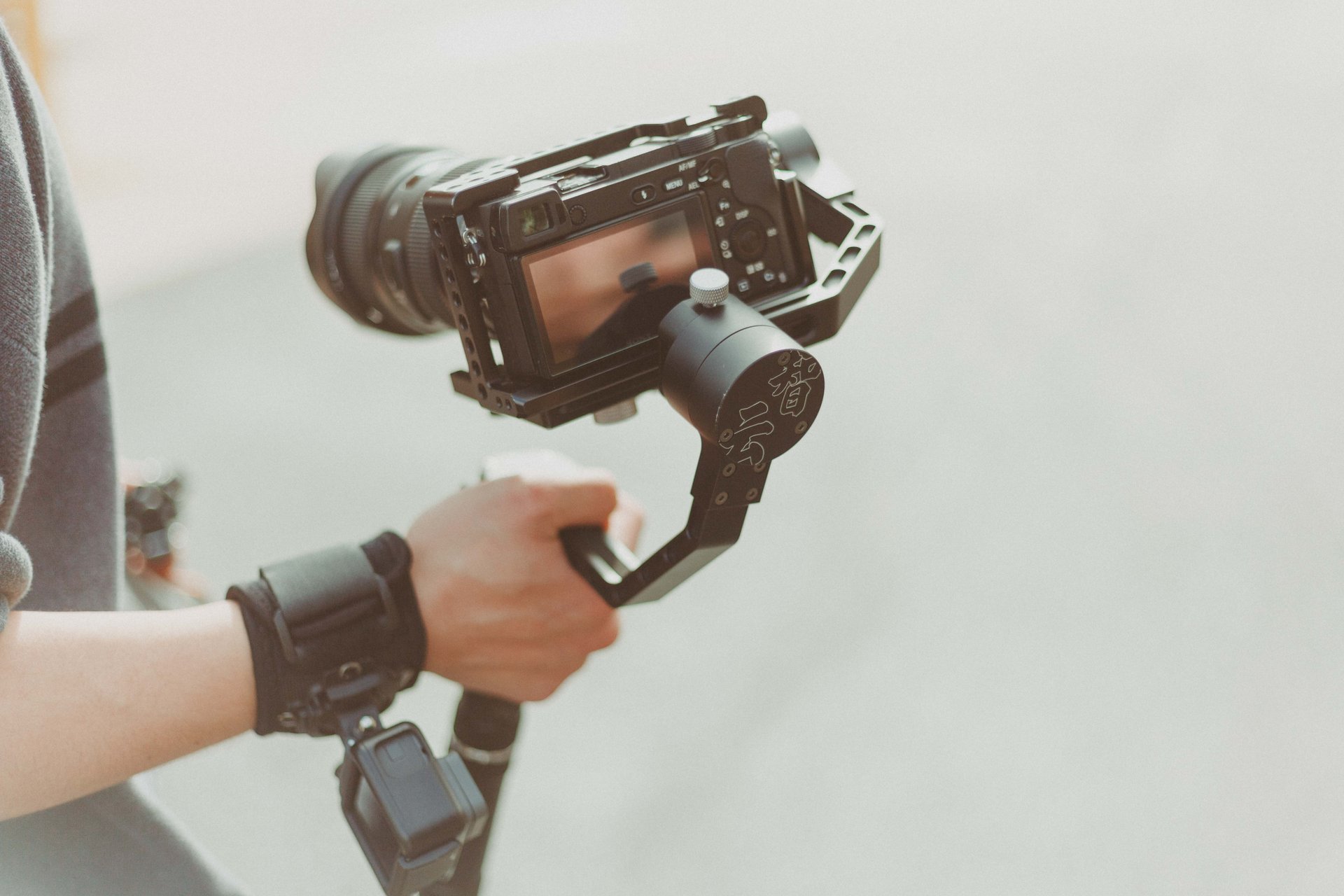
Why are architectural project films also relevant for social media?
Film is one of the most important formats for digital communication. Particularly on social media platforms, moving images generate significantly more attention than static content. To this end, an architectural film can be specifically tailored in various lengths and formats—ranging from a short teaser to a more comprehensive project film.
In this way, projects can be given visibility, reach can be built, and architectural quality can be convincingly conveyed—even within fast-paced digital media environments.
What components are involved in a professional film production?
A compelling architectural film is not created solely during the shoot, but rather during the conceptualization phase. Crucial elements include a clear central idea, a cohesive visual language, and a solid understanding of the message the film is intended to convey.
Post-production is equally important. It is through editing, rhythm, color grading, music, sound design, and—where appropriate—narration that a cohesive whole is ultimately formed. These elements play a decisive role in shaping the film's overall impact, determining whether a project is perceived as high-quality, emotionally resonant, and precise.
What role do editing, music, and the narrator play?
The true impact of a film often emerges only during post-production.
Editing, rhythm, and color grading define its visual language. Music, sound design, and voice-overs add an emotional layer to the film and reinforce its thematic message. In this way, a cohesive whole is created—a harmonious blend of visuals, sound, and narrative.
What role does AI play in film production?
Artificial intelligence opens up new possibilities in film production.
It can help optimize footage, enrich content, or accelerate the development of visual variations. New approaches are also emerging in post-production and editing that allow for more efficient workflows.
We strategically deploy AI precisely where it delivers genuine added value—always in combination with traditional cinematic craftsmanship.
Can other media be integrated into an architectural film?
Yes, architectural film integrates very well with other forms of visual representation. Depending on the project, visualizations, animations, or graphic overlays can be incorporated to convey additional content or to visualize conditions that have not yet been built.
The result is a film that combines live-action footage with supplementary information, making complex projects more understandable.
→ Learn more under Animation in Architecture
What role do aerial photographs play?
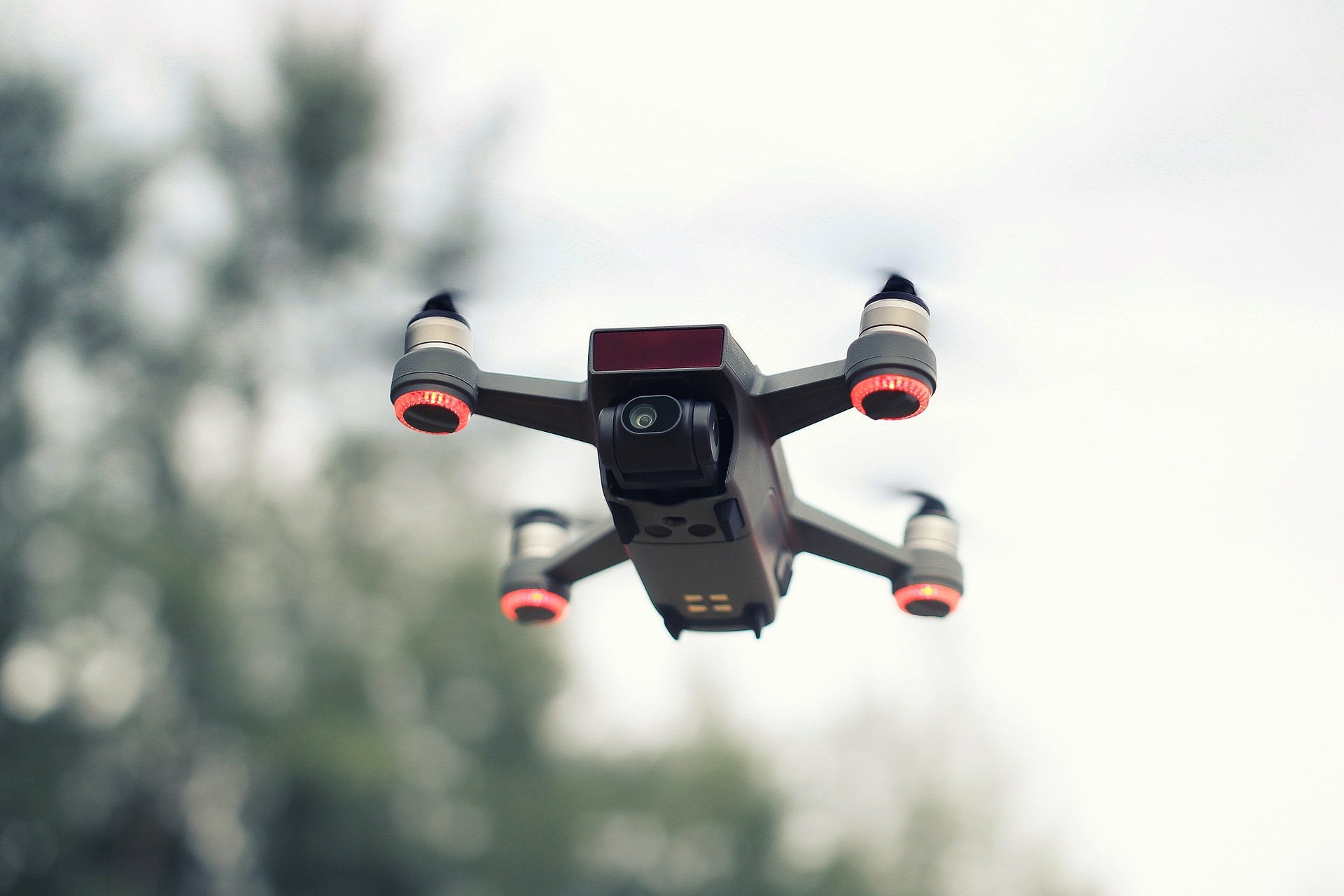
Aerial shots can serve as a valuable addition to an architectural film when the goal is to showcase a building’s urban context, location, or integration into its surroundings. However, they serve as a supplementary tool rather than the core focus of the film production.
We possess the necessary equipment and expertise to professionally integrate high-quality drone footage into a film concept.
→ More on Architectural Photography
How does loomn work in the field of architectural film?
We view architectural filmmaking as a holistic process—from the initial idea to the final result. Together with our clients, we develop a concept that takes into account the target audience, intended application, and desired impact. Building upon this foundation, we handle the planning, filming, cinematography, editing, and post-production.
For our clients, this means: a single point of contact, clear coordination, and a production in which all components fit together seamlessly.
What sets loomn apart in film production?
Our strength lies in the fusion of architectural insight, visual design, and technical execution. We do not merely shoot beautiful images; rather, we develop films that render projects understandable, imbue them with emotional resonance, and serve as targeted tools for communication and marketing.
In this regard, our clients benefit from the fact that we do not view film in isolation. Whenever appropriate, we can integrate additional services—such as visualization, graphic content, or AI-driven workflows—thereby crafting a cohesive and consistent overall communication strategy.
What advantages does a single-source implementation offer?
When concept development, filming, editing, sound design, and final delivery are planned in unison, the result is a significantly clearer and higher-quality production. Coordination efforts are reduced, the visual language remains consistent, and content can be managed with greater precision.
This is particularly valuable when a project is intended for use across various formats—such as a website, presentations, social media, or marketing campaigns.
Who are architecture films suitable for?
Architectural films are aimed at architects, developers, project developers, real estate marketers, marketing departments, and agencies seeking to communicate their projects in a high-quality and emotionally engaging manner.
They are particularly effective when the goal is not merely to document architecture, but to convey it as an experience, a statement of intent, or a brand.
How can a project be started?
Tell us about your project and your objectives. Together, we will develop a suitable film concept and bring it to life—right through to the finished architectural film.