
Architecture photography
High-quality photography of completed architecture for documentation, competitions, and marketing.
What is architectural photography?
Architectural photography is the photographic representation of completed structures.
It translates architecture into precise, aesthetic images, making design, materiality, and spatial quality visible. In doing so, it is not merely a matter of documentation, but rather the deliberate staging of architecture within its proper context.
Why is architectural photography so important?
Photorealistic architectural imagery is one of the most important means of communicating architectural concepts.
Buildings are perceived, evaluated, and disseminated through images—in competitions, publications, portfolios, and marketing materials. A high-quality architectural photograph plays a decisive role in how a project is understood and perceived.
What distinguishes good architectural photography?
Good architectural photography emerges from the interplay of perspective, light, and composition.
It is about precisely capturing the design while simultaneously developing a clear visual statement. Lines, proportions, and materiality must be just right—as must mood and context.
Which technology is being used?
Professional equipment is crucial for high-quality photographic depictions of architecture.
We work with high-resolution full-frame cameras, drones for aerial shots, and 360° cameras for complementary perspectives. Depending on the project, different systems are utilized to achieve the best possible image quality.
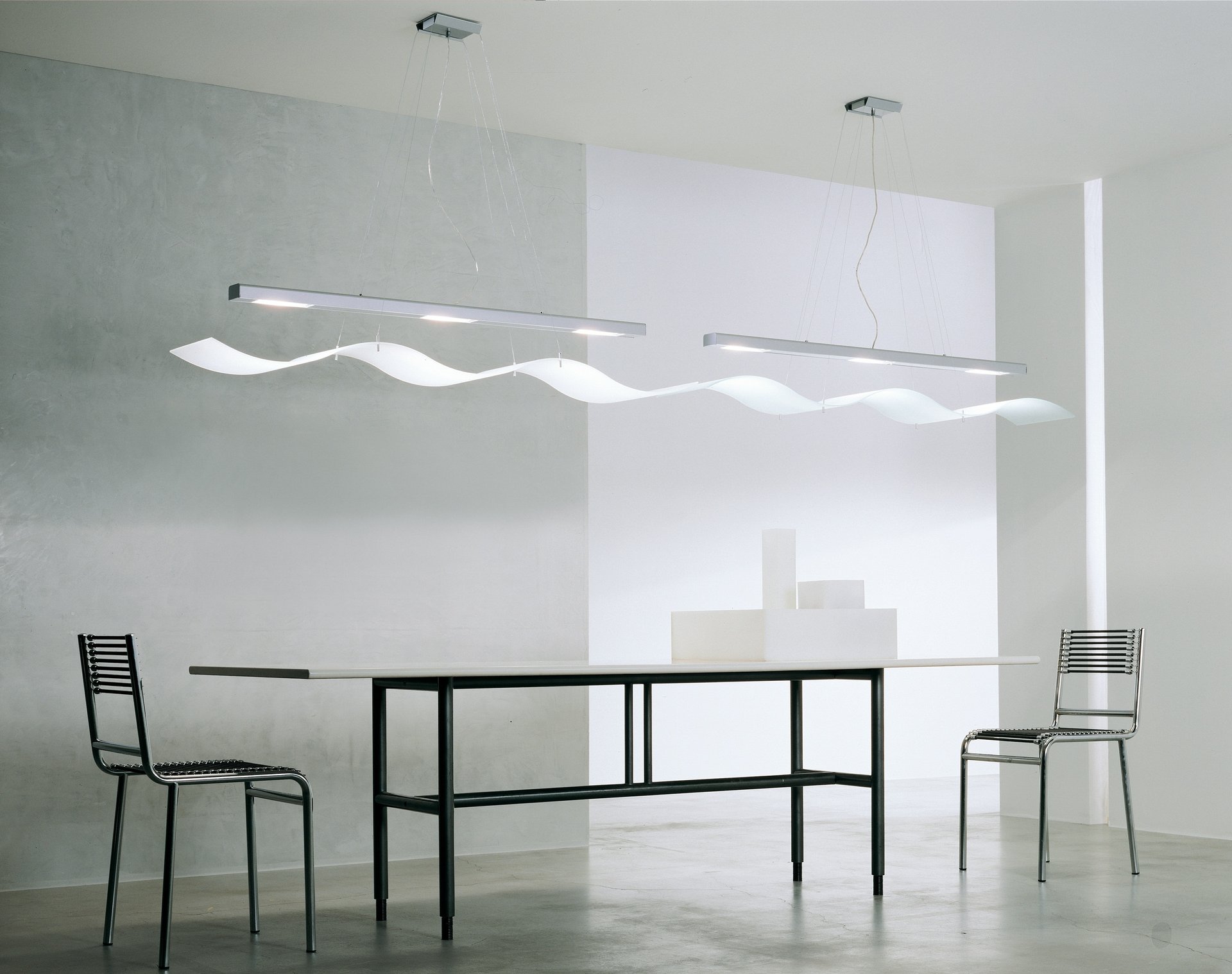
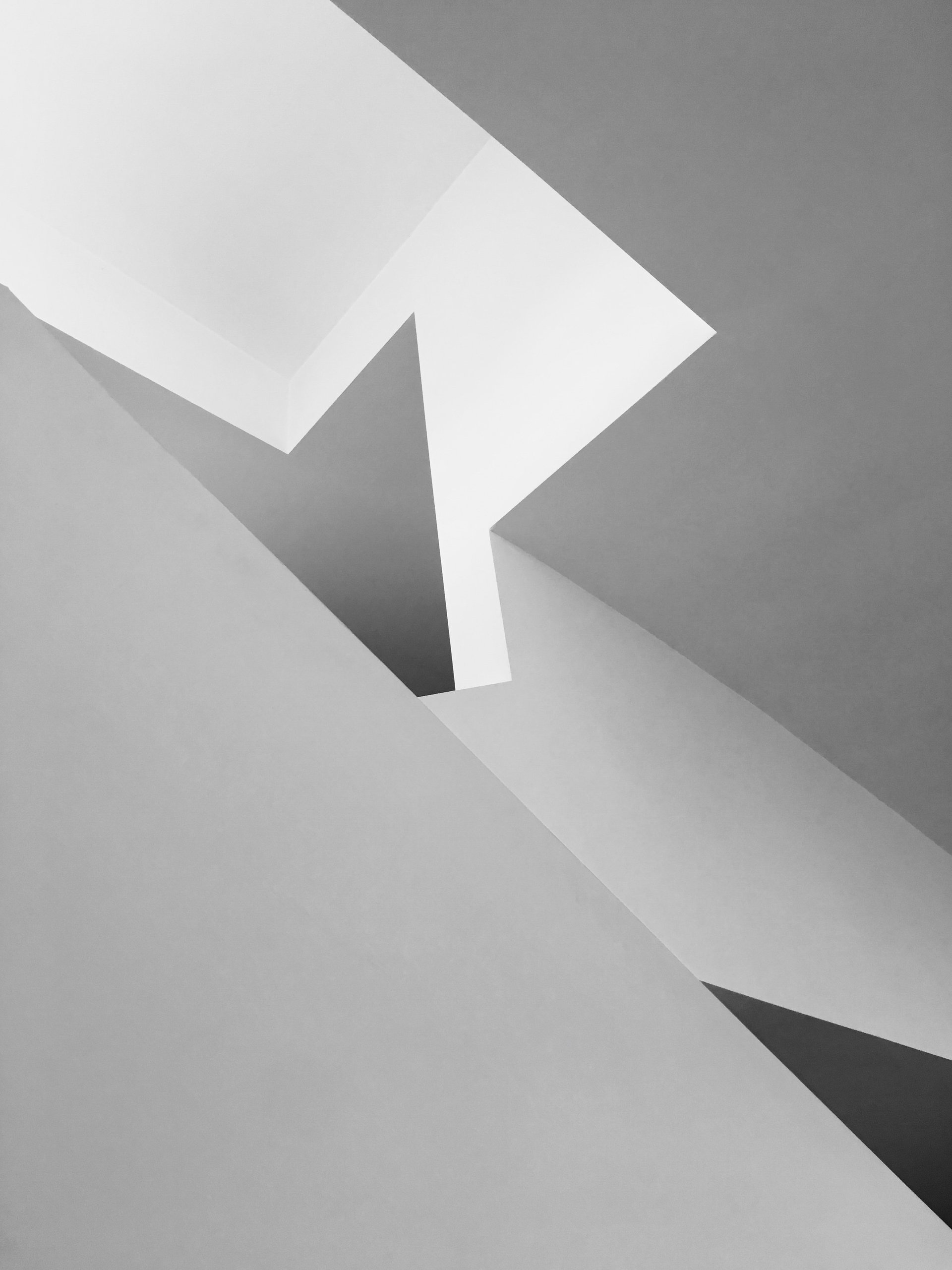
How does loomn work in architectural photography?
We view architectural photography as a collaborative endeavor between architect and photographer.
In advance, we clarify which aspects of the project are to be emphasized and what visual message is to be conveyed. Based on this, we plan the perspectives, lighting conditions, and on-site procedures.
The photographic process is prepared in such a way that it yields a clear, precise series of images of the building.
What distinguishes loomn from traditional architectural photographers?
We don’t view architectural photography in isolation, but rather as part of a comprehensive visual communication strategy. In addition to traditional photography, we also offer complementary services such as 3D visualization, AI-powered image editing, home staging, and the development of presentation and web solutions. This means that for any given project, you have a single point of contact who coordinates and brings together all visual elements. The result is a consistent visual identity—from the initial concept to the final marketing materials.
What advantages does this holistic approach offer?
By bundling all services, a cohesive visual quality is achieved.
Visual language, perspectives, and content integrate seamlessly, as they are not developed in isolation. At the same time, coordination processes are streamlined, making projects more efficient and transparent.
For our clients, this means: fewer interfaces, greater consistency, and a single point of contact for the entire visual implementation.
For which projects is architectural photography suitable?
Architectural photography is used for completed construction projects, existing properties, and urban settings.
Typical applications include competition documentation, publications, project portfolios, real estate marketing, and corporate communications.
For whom is architectural photography relevant?
Architectural photography is aimed at architecture firms, property developers, project developers, real estate marketers, and agencies that wish to present their projects in a professional and high-quality manner.
What expertise does loomn bring to the table?
Our strength lies in the fusion of architectural understanding, photographic precision, and high creative standards.
We analyze designs, identify relevant perspectives, and showcase buildings with deliberate intent. At the same time, we always view projects within the broader context of visual communication.
How can a project be started?
Tell us about your project and the intended use of the images.
Together, we will develop a suitable photographic approach—ranging from pure documentation to carefully staged imagery for marketing and communication purposes.